Homemade Butter
There’s something quietly satisfying about making butter from scratch. With just one main ingredient and a few minutes of mixing, cream transforms into something rich, fresh, and spreadable. Many people love homemade butter because it tastes softer and more natural than store-bought versions, especially when spread over warm bread or fresh pancakes. It’s also surprisingly simple to make, even on a busy evening when you want something comforting for the table. I usually keep a bowl and mixer ready while the cream thickens and changes texture. Once you try homemade butter, it quickly becomes a cozy kitchen habit worth repeating.

Why You Will Love This Recipe
This recipe is one of those small kitchen projects that feels both simple and rewarding. Turning cream into butter takes very little effort, yet the result tastes rich, fresh, and comforting. It’s the kind of recipe that fits easily into everyday cooking without feeling like extra work.
Many people enjoy homemade butter because it’s flexible. You can leave it plain, add a pinch of salt, or mix in herbs and flavors depending on the meal. It’s also budget-friendly when you already have cream in the fridge.
It spreads beautifully on warm bread, roasted vegetables, or baked potatoes. You can make a small batch for dinner or store extra for later. Cozy, freezer-friendly, and easy to customize, this recipe feels like a small homemade upgrade to everyday meals.
Ingredients
Tip: Use cold heavy cream with a high fat content for the best texture.
- 2 cups heavy cream
- ½ teaspoon salt (optional)
- 1 cup cold water (for rinsing)
Instructions
Step 1: Preparation – 40 words
Pour the heavy cream into a large mixing bowl or stand mixer. Leave enough space for the cream to expand while whipping. Start mixing on medium speed. At first, the cream thickens into soft whipped cream with a light, fluffy texture.
Step 2: Main Cooking Process – 40 words
Continue mixing as the cream becomes thicker and heavier. After several minutes, the mixture will begin separating. You’ll notice small yellow clumps forming while a thin liquid appears around them. This is the butter starting to form from the cream.
Step 3: Combining Ingredients – 40 words
Once the butter clumps together, pour off the liquid buttermilk into a separate container. Add cold water to the butter and gently press and rinse it with a spoon or spatula. This helps remove remaining liquid and keeps the butter fresh longer.
Step 4: Finishing & Final Simmer – 40 words
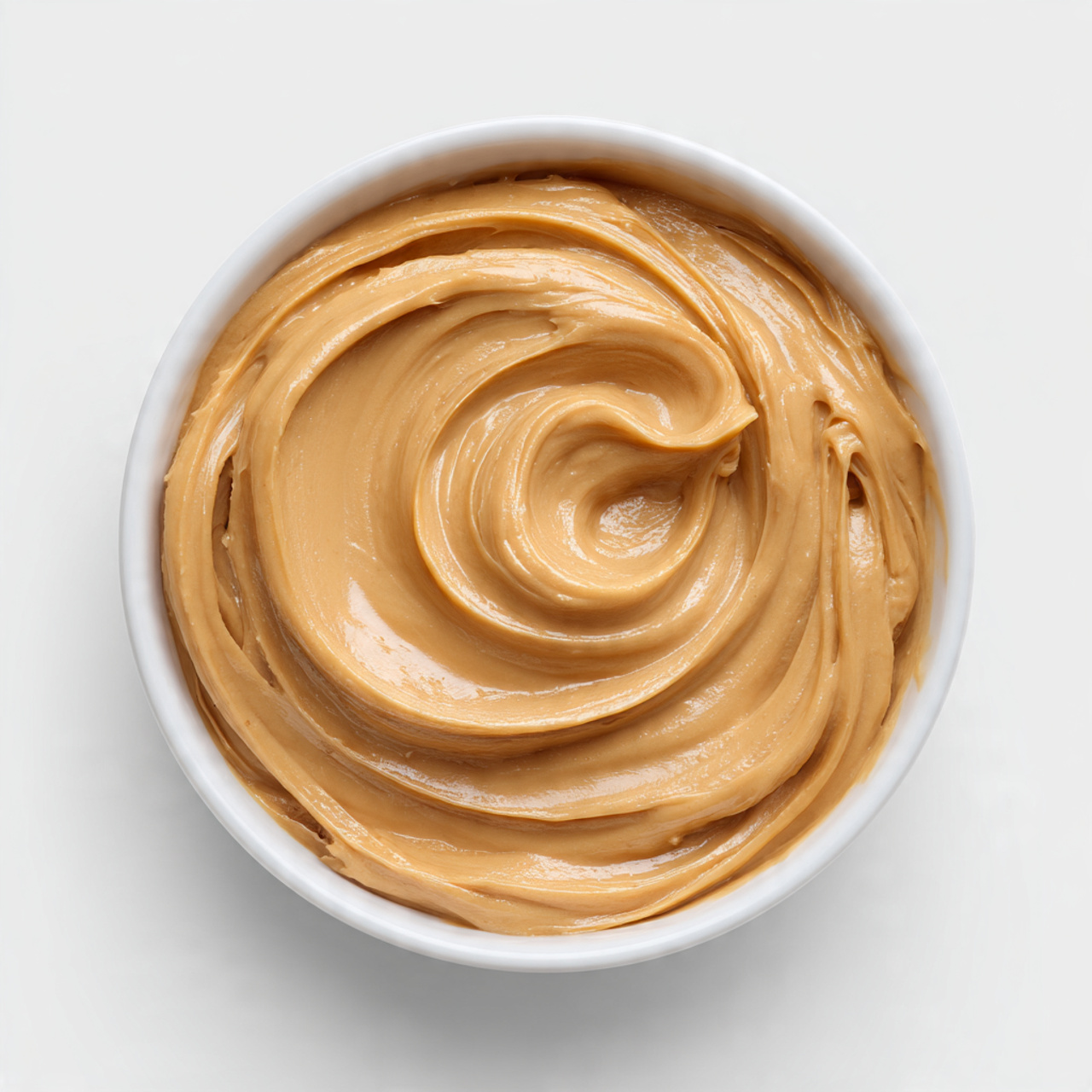
Press the butter together into a soft mound and sprinkle with salt if desired. Shape it with a spoon or wrap it in parchment paper. Let it rest in the refrigerator for a short time so it firms up before using.
Why This Recipe Works for Busy Days
This recipe is quick and flexible, which makes it easy to fit into a busy day. You can make it in about ten minutes while preparing dinner or baking. Extra butter stores well in the fridge or freezer, so it’s easy to make ahead. Having a small batch ready adds a homemade touch to everyday meals without extra effort.
Tips & Tricks
- Use cold heavy cream straight from the refrigerator. Warmer cream takes longer to separate and may not form firm butter as easily. Starting with properly chilled cream helps the mixing process move faster and gives you a smoother final texture.
- Stop the mixer once butter forms to avoid splattering buttermilk everywhere. The separation stage happens quickly, and overmixing can make cleanup messy. Keeping an eye on the texture helps you catch the moment when the butter clumps together.
- Rinse the butter with cold water more than once if needed. Leftover buttermilk can cause butter to spoil faster. Pressing and rinsing gently removes extra liquid and helps the butter stay fresh for several days in the refrigerator.
- If the butter feels too soft, chill it briefly before shaping. Warm kitchens can soften butter quickly, making it harder to handle. A short rest in the fridge helps it firm up so it’s easier to spread or store.
Variations
Meaty Version
For a savory twist, mix crispy chopped bacon into the butter after rinsing. The small salty pieces add texture and rich flavor, making it perfect for spreading on baked potatoes, warm dinner rolls, or corn on the cob during casual family meals.
Vegetarian Option
Stir in finely chopped fresh herbs like parsley, chives, or dill. This creates a simple herb butter that pairs beautifully with roasted vegetables, warm bread, or grilled corn. The herbs add color and freshness while keeping the recipe simple and cozy.
Ingredient Swap
If heavy cream isn’t available, you can use whipping cream instead. It still produces good butter, though the yield may be slightly smaller because of the lower fat content. The flavor remains rich and mild, perfect for everyday use.
Flavor or Herb Boost
Add garlic powder, lemon zest, or a touch of honey to change the flavor profile. These small additions turn plain butter into something special. A little sweetness or citrus brightness works especially well for breakfast toast or warm biscuits.
Serving Suggestions
Warm Bread Spread
Spread freshly made butter over warm homemade bread, toast, or soft dinner rolls. The heat melts it gently, creating a rich, comforting bite that feels perfect for breakfast or a cozy family dinner.
Baked Potato Topping
A small scoop of butter melting into a fluffy baked potato is simple and satisfying. Add a pinch of salt or fresh herbs on top for an easy side dish that pairs well with roasted meats or vegetables.
Breakfast Table Favorite
Serve butter alongside pancakes, waffles, or biscuits. The creamy texture melts quickly into warm breakfast foods, adding richness without overpowering the natural flavor of the dish.
Vegetable Finishing Touch
Melt a small piece over steamed vegetables like carrots, green beans, or corn. It adds a gentle richness that makes simple vegetables feel more comforting and complete.
Storage Instructions
Fridge Storage
Store homemade butter in an airtight container or wrapped in parchment paper. It will stay fresh in the refrigerator for about 5–7 days. Keeping it tightly sealed helps protect it from absorbing other fridge odors.
Reheating
Butter doesn’t require reheating, but if it becomes too firm, simply leave it at room temperature for a few minutes. This softens it slightly and makes spreading much easier for bread or baked goods.
Freezing
Butter freezes very well. Wrap it tightly in parchment paper or plastic wrap and place it in a freezer-safe bag. It can be stored for up to three months and thawed in the refrigerator when needed.
Make-Ahead Tips
You can make butter ahead of time and shape it into small portions or rolls. This makes it easy to pull out just what you need for cooking or serving. Keeping portions ready helps simplify busy meal prep days.
Recipe Timing
Prep Time: 5 minutes
Cook Time: 5 minutes
Rest Time: 10 minutes
Total Time: 20 minutes
Nutrition Information (Approximate)
Each tablespoon of butter contains roughly 90–100 calories and about 0–1 grams of protein. It also provides small amounts of vitamin A and healthy fats. Nutrition values are estimates and may vary depending on cream quality, added salt, or portion size.
FAQs
Can I make this ahead of time?
Yes. Homemade butter can be prepared a few days in advance and stored in the refrigerator.
What is the most common mistake?
Not rinsing the butter properly. Leftover buttermilk can shorten its shelf life.
Can I use whipping cream instead of heavy cream?
Yes, whipping cream works, though the butter yield may be slightly smaller.
Why is my butter too soft?
The kitchen may be warm. Chill the butter briefly to firm it up.
How long does it last in the fridge?
Properly stored butter stays fresh for about 5–7 days.
How can I adjust the flavor?
Add salt, herbs, garlic, or honey depending on how you plan to serve it.
Conclusion
Making butter at home is one of those small kitchen projects that feels surprisingly rewarding. With just cream and a few minutes of mixing, you end up with something fresh, rich, and ready to spread on your favorite foods. Homemade butter is easy to customize with herbs, salt, or a touch of sweetness depending on the meal. It stores well in the fridge or freezer, which makes it practical for everyday cooking. Once you try making it yourself, it often becomes a simple routine worth repeating. Fresh bread, warm potatoes, or morning toast all feel a little cozier with it.

Homemade Butter
Course: Butter Recipes1
servings5
minutes5
minutes100
kcalFresh, creamy butter made from just heavy cream.
Simple to prepare in minutes and perfect for spreading on bread, pancakes, or baked potatoes.
Ingredients
2 cups heavy cream
½ teaspoon salt (optional)
1 cup cold water
Directions
- Pour the heavy cream into a mixing bowl or stand mixer.
- Beat on medium speed until the cream thickens and forms whipped cream.
- Continue mixing until yellow butter clumps form and liquid separates.
- Pour off the liquid buttermilk.
- Rinse the butter with cold water and press gently to remove extra liquid.
- Add salt if desired and shape the butter.
- Chill in the refrigerator until firm, then store and use as needed.