Butter Cream
Butter cream is one of those simple kitchen staples that quietly makes desserts feel special. Soft, fluffy, and lightly sweet, it spreads easily over cakes, cupcakes, and cookies, adding a smooth layer of comfort to homemade baking. Many people love it because it comes together with just a few basic ingredients and a mixer. It’s also flexible enough to adjust for different flavors or sweetness levels. On evenings when a cake cools on the counter, I usually start whipping the butter until it turns pale and airy. A bowl of butter cream in the fridge means quick frosting whenever a last-minute dessert or family treat appears.

Why You Will Love This Recipe
This frosting is the kind that home bakers return to again and again because it’s dependable and easy. The ingredients are simple, the steps are straightforward, and the result is creamy enough to spread or pipe onto almost any dessert. It brings softness and sweetness without feeling overly heavy.
Many people keep butter cream as their go-to frosting because it works for birthdays, weekend baking, or quick cupcakes made on a busy evening. It also stores well, which means you can make it ahead and pull it out whenever a cake needs frosting.
The flavor is easy to adjust with vanilla, cocoa, or fruit extracts, so one basic recipe becomes many variations. Cozy, freezer-friendly, and budget-friendly, this recipe fits naturally into everyday baking without adding stress to the kitchen.
Ingredients
Tip: Use softened butter that bends easily but is not melted for the smoothest texture.
- 1 cup unsalted butter, softened
- 3 cups powdered sugar
- 2–3 tablespoons milk or cream
- 1 teaspoon vanilla extract
- 1 pinch salt (optional)
Instructions
Step 1: Preparation – 40 words
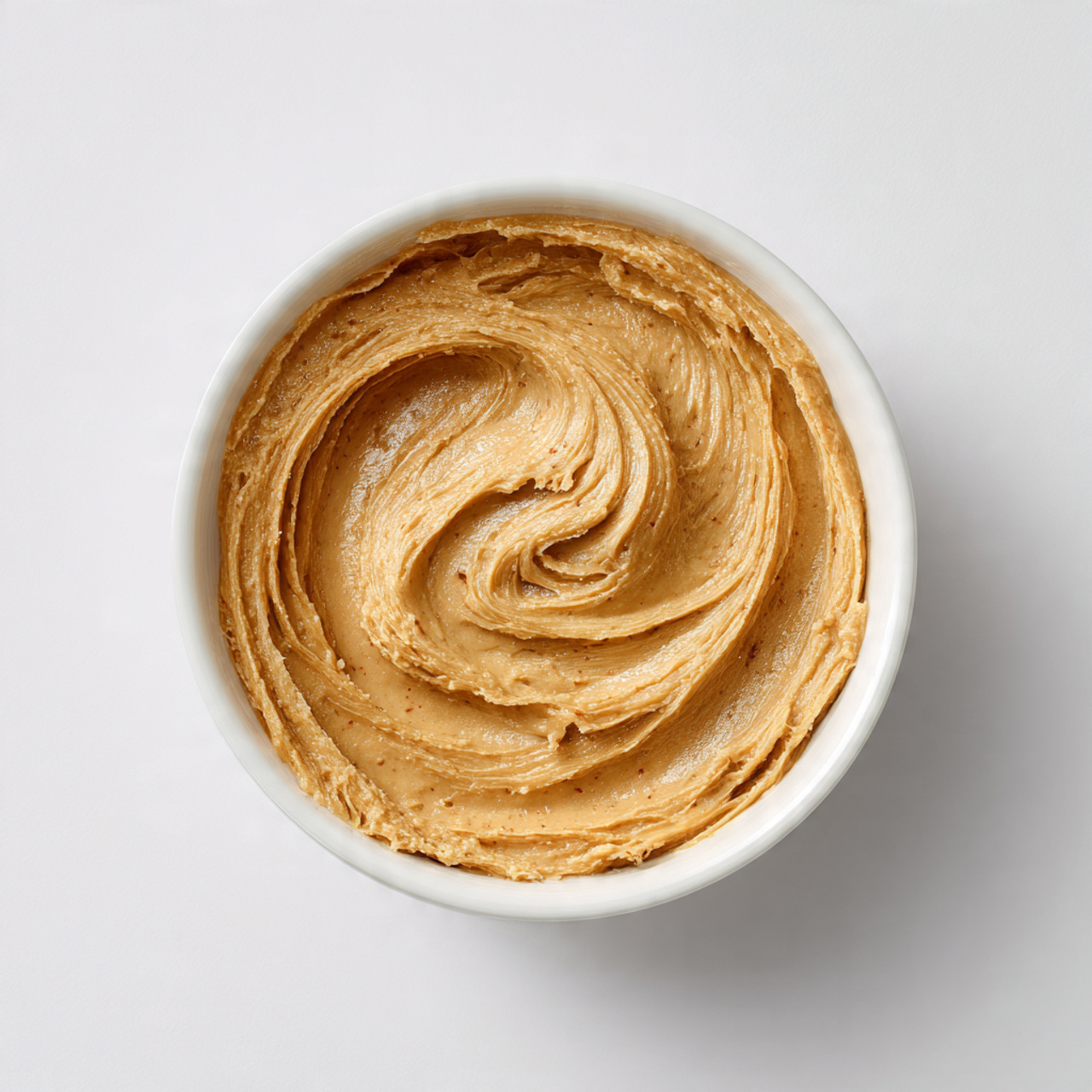
Place the softened butter in a large mixing bowl. Beat it on medium speed until it becomes lighter in color and smooth in texture. The butter should look fluffy and soft, forming gentle swirls as the mixer moves through it.
Step 2: Main Cooking Process – 40 words
Add powdered sugar gradually, about half a cup at a time. Mix slowly at first to avoid a cloud of sugar, then increase speed. The mixture thickens and becomes creamy, slowly building structure while still looking soft and pale.
Step 3: Combining Ingredients – 40 words
Pour in vanilla extract and a tablespoon of milk or cream. Beat again until everything blends smoothly. The frosting loosens slightly and turns silky. If it feels too thick, add another spoonful of milk until it spreads easily.
Step 4: Finishing & Final Simmer – 40 words
Continue mixing for another minute to create a smooth, airy texture. Taste the frosting and add a tiny pinch of salt if needed. The finished butter cream should look fluffy, hold gentle peaks, and spread easily over cooled cakes.
Why This Recipe Works for Busy Days
This frosting comes together quickly with ingredients most kitchens already have. It takes only a few minutes to mix, making it helpful for last-minute cupcakes or quick family desserts. You can also prepare it ahead and store it in the fridge, saving time when baking later. Because it spreads easily, decorating cakes becomes faster and less stressful, especially on busy evenings.
Tips & Tricks
- Start with properly softened butter, not melted butter. If butter is too warm, the frosting becomes thin and difficult to spread. Let it soften at room temperature until it presses easily with a finger but still holds its shape.
- Add powdered sugar slowly while mixing. Pouring it all at once can create lumps or a messy cloud of sugar. Gradual mixing helps the frosting stay smooth and evenly sweet.
- If the frosting feels too thick for spreading, add milk one teaspoon at a time. Small adjustments work best because too much liquid can make the mixture runny and harder to control.
- Beat the frosting for an extra minute at the end. This step introduces a little air and makes the texture lighter and easier to pipe onto cupcakes or decorate simple cakes.
Variations
Meaty Version
For a playful sweet-savory twist, some home cooks mix a tiny amount of finely crumbled crispy bacon into the frosting for maple or breakfast-style cupcakes. The salty pieces contrast with the sweetness, creating an interesting topping for brunch desserts or sweet breads.
Vegetarian Option
This recipe is naturally vegetarian, but you can make it even more plant-friendly by using dairy-free butter and plant milk. Almond or oat milk blends smoothly and keeps the frosting light while still creating a creamy, spreadable texture.
Ingredient Swap
Instead of milk, try using heavy cream for a richer texture. The extra fat makes the frosting smoother and slightly fluffier. It also helps the butter cream hold its shape better when piped onto cupcakes or layered cakes.
Flavor or Herb Boost
Add cocoa powder for a chocolate version, lemon zest for a bright citrus note, or a little cinnamon for warmth. These simple additions change the flavor without changing the basic structure of the frosting.
Serving Suggestions
Classic Cake Frosting
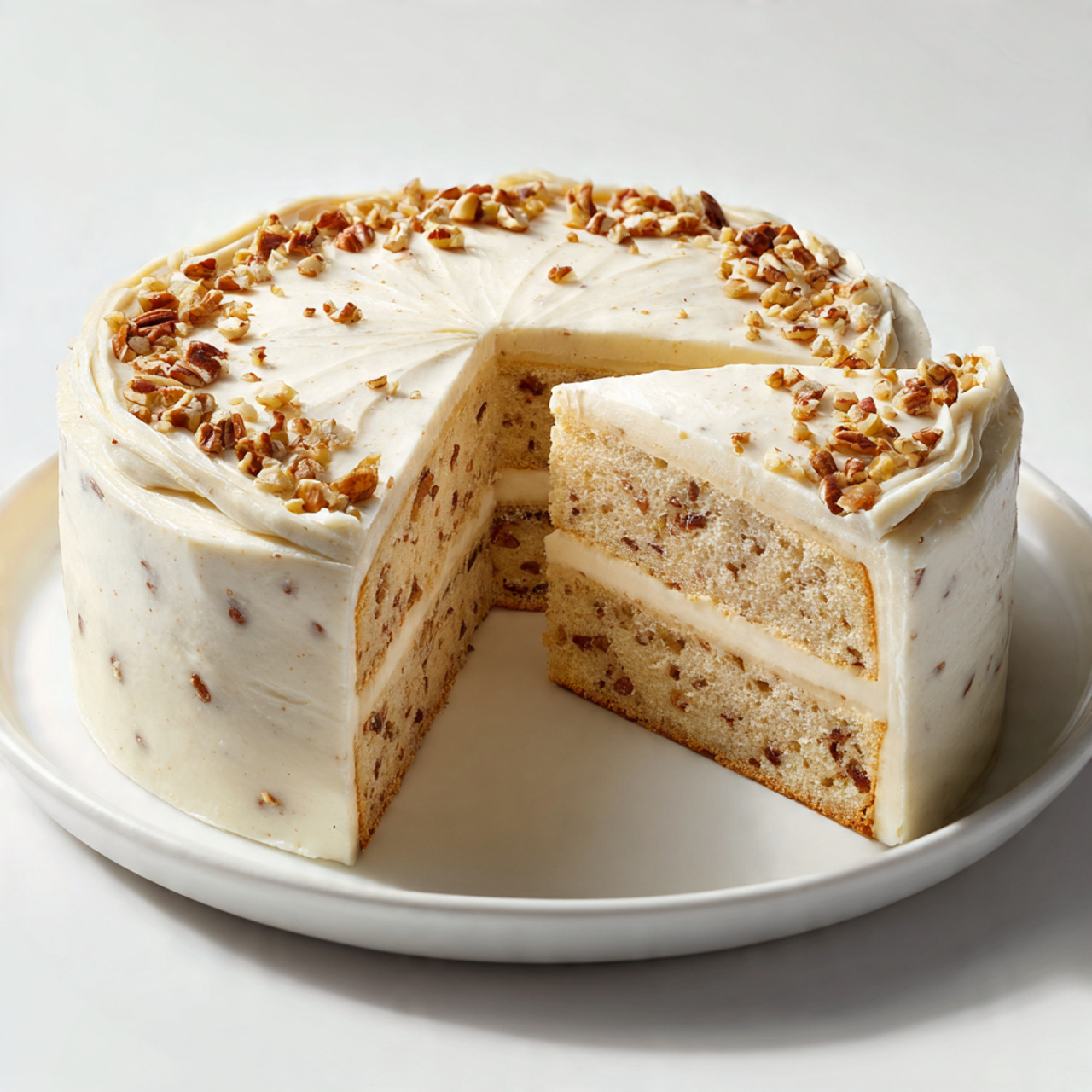
Spread a thick layer over homemade vanilla or chocolate cakes. The creamy texture glides easily across the surface and creates soft swirls that look inviting on a simple family dessert.
Cupcake Topping
Pipe small spirals of frosting onto cupcakes for birthdays or casual gatherings. Even a simple piping bag makes the cupcakes look festive while adding a soft, sweet finish.
Cookie Sandwich Filling
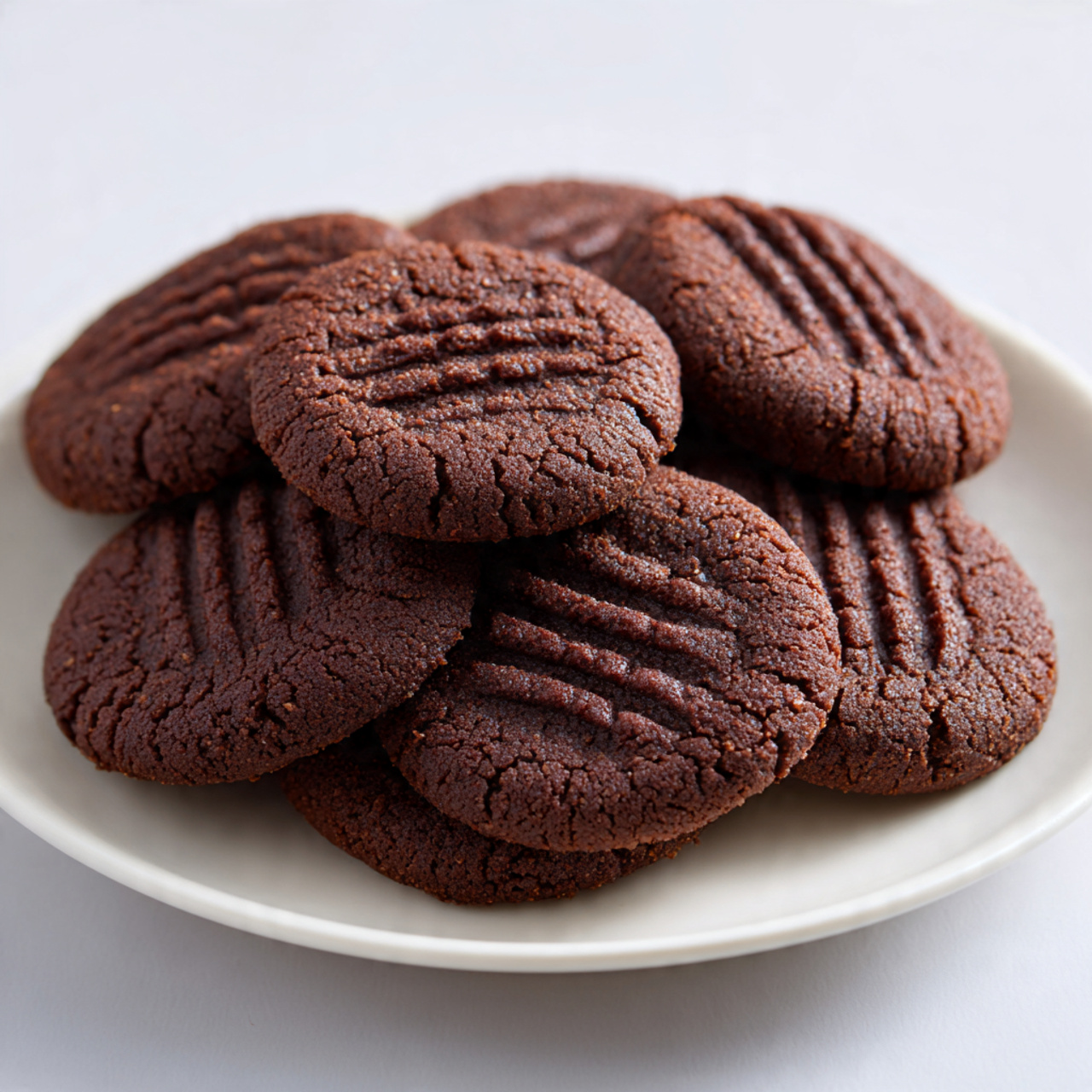
Use the frosting as a filling between two soft cookies. The smooth texture holds the cookies together while adding sweetness that balances the baked flavor.
Dessert Board Addition
Add a small bowl of frosting to a dessert board with cookies, brownies, and sliced cake. Guests can dip or spread it, creating a relaxed and cozy dessert table.
Storage Instructions
Fridge Storage
Place the frosting in an airtight container and store it in the refrigerator for up to five days. Before using, allow it to sit at room temperature for a short time so it softens and spreads more easily.
Reheating
Butter cream does not require heating. If it becomes firm in the fridge, simply let it rest at room temperature for 10–15 minutes, then beat it briefly with a mixer to restore its smooth texture.
Freezing
This frosting freezes well for up to three months. Store it in a sealed freezer-safe container. Thaw overnight in the refrigerator and mix again before spreading to bring back its fluffy texture.
Make-Ahead Tips
You can prepare the frosting a day or two before baking a cake. Keeping it ready in the refrigerator saves time when decorating desserts for gatherings or family celebrations.
Recipe Timing
Prep Time: 10 minutes
Cook Time: 0 minutes
Rest Time: 10 minutes (for butter softening if needed)
Total Time: 20 minutes
Nutrition Information (Approximate)
One serving of frosting contains roughly 120–150 calories and about 0–1 grams of protein. Butter provides small amounts of vitamin A and fats that create the creamy texture. Nutritional values are estimates and may vary depending on ingredient brands and portion sizes.
FAQs
Can I make this ahead of time?
Yes. The frosting can be made several days ahead and stored in the refrigerator.
What is a common mistake when making frosting?
Using melted butter instead of softened butter can make the texture thin and greasy.
Can I substitute the milk?
Yes. Cream, almond milk, or oat milk can work as substitutes.
Why is my frosting too thick?
Add a teaspoon of milk at a time and mix until it loosens.
How long can I store it?
It keeps about five days in the refrigerator or three months in the freezer.
How can I change the flavor?
Mix in cocoa powder, citrus zest, cinnamon, or other extracts.
Conclusion
Simple frosting recipes often become the most reliable ones in a home kitchen, and this is one of them. With just butter, sugar, and a few small additions, you can create a soft, creamy topping for cakes, cupcakes, and cookies whenever the mood for baking appears. Butter cream is easy to adjust, whether you want chocolate, citrus, or a hint of spice. It stores well and mixes quickly, making it practical for everyday desserts and special celebrations alike. Once you get comfortable making it, a bowl of frosting in the fridge becomes a small baking shortcut that’s always ready when a cake cools on the counter.
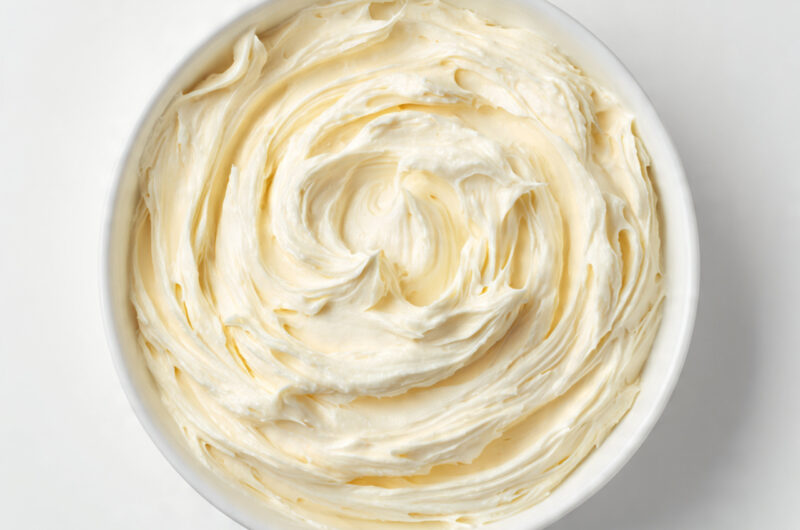
Butter Cream
Course: Butter Recipes2
servings10
minutes150
kcalA soft, creamy frosting made with butter and powdered sugar.
Perfect for cakes, cupcakes, and cookies. Quick to mix and easy for beginner bakers.
Ingredients
1 cup unsalted butter, softened
3 cups powdered sugar
2–3 tablespoons milk or cream
1 teaspoon vanilla extract
1 pinch salt (optional)
Directions
- Place softened butter in a mixing bowl. Beat until smooth and light.
- Add powdered sugar slowly while mixing on low speed.
- Pour in vanilla and one tablespoon milk or cream.
- Beat until smooth and fluffy.
- Add more milk if the frosting feels too thick.
- Mix one more minute until light and creamy.
- Spread or pipe onto cooled cakes and cupcakes.